What you need to know
- Dessa’s training and simultaneous listening-and-speaking capabilities are company-reported research claims.
- Test corrections and pauses against an expected task result.
- Evaluate the complete service alongside the conversational experience.
Speech is the research starting point
Block describes Dessa as a speech-to-speech model trained from scratch on human conversation without text or pretrained models. It says the system can listen and speak simultaneously. The company’s public page offers recordings and a waitlist, while inviting a small group of AI safety researchers to seek early access.
That makes the announcement a useful moment to separate two questions. How does a conversation unfold, and does the work it is meant to support reach the right result? A convincing exchange could answer the first question without resolving the second. Our view is that an evaluation should give both an explicit place.
Give interruptions a purpose in the trial
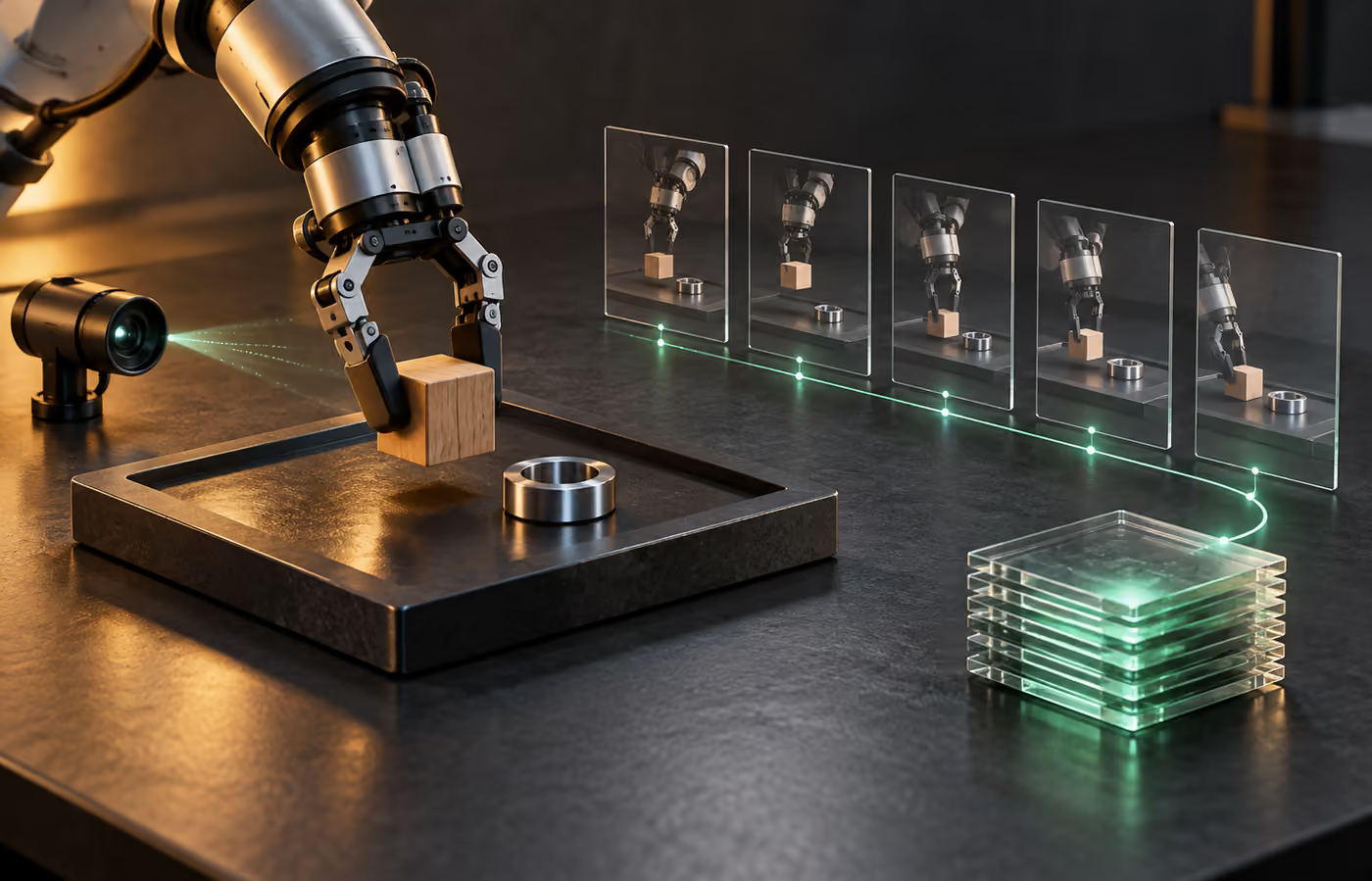
Consider a hypothetical assistant helping someone arrange a meeting. The person changes the requested day halfway through a sentence, pauses to check a calendar and then corrects the time. A useful trial would ask whether the assistant follows those revisions and produces the intended final request. It should also show whether the person can tell which version has been understood.
Prepare several variations before running that trial. Include a quick correction, a long pause and a request to repeat the current understanding. Keep the task’s expected result stable enough to inspect afterward. Record where the conversation becomes confusing rather than treating a fluent response as evidence that the latest instruction was captured.
Evaluate the proposed environment as well
Block says Dessa can run locally on a MacBook Pro with an M4 Max or better. That is a company capability statement, not a measured result for a particular customer’s equipment or workload.
A team considering a future trial could specify the machine, input device and surrounding conditions it intends to use. Repeat the same task under those conditions and record delays, missed corrections and successful completions. Keep conversational quality and task accuracy as separate observations so that improvement in one does not conceal a weakness in the other.
The service around the voice still needs review
Square’s existing voice-ordering documentation describes a broader workflow: answering business calls, taking pickup orders, sending orders to connected systems and retaining summaries for review. It also provides a way to notify a seller when a customer needs help. That documentation concerns Square’s existing service and does not establish that it uses Dessa.
The distinction matters when comparing a research model with an operational application. An ordering workflow could be assessed by checking the accepted item, the handoff to staff and the resulting record. Conversational timing would be one part of that assessment. A smooth voice interaction would still need to leave the business with an accurate, reviewable outcome.