What you need to know
- Google describes distinct fuel-cell and turbine capture pathways.
- A retrofit study evaluates a possibility rather than establishing an outcome.
- Engineering comparisons should make each option’s status visible.
A site purchase and a power design
Crusoe announced on November 6 that Google had acquired its southeast Wyoming data-center site. The developer described its pre-development engagement as complete, including site selection, governmental approvals and power strategy. It said the campus’s hybrid energy design combines fuel cells, grid power and natural-gas turbines.
Our view is that the energy design deserves its own reading alongside the ownership change. A description of the overall campus can contain several technical commitments, with different amounts of engineering still to be done.
Two different commitments
Google’s November 5 announcement describes a contracted 702-megawatt fuel-cell development with AEP that includes carbon capture and storage. Separately, Google says a front-end engineering and design study will evaluate fitting Tallgrass’s combined-cycle turbines with capture technology.
The distinction is between a contracted configuration and an evaluation of a possible retrofit. Neither description establishes an achieved operating result.
A hypothetical engineering comparison
Consider a hypothetical industrial project buying one new generating system while studying a modification to another. Its project team could draw each option on a separate sheet, showing the proposed equipment, the interfaces to neighboring systems and the assumptions that still need checking. This is an editorial example, not a description of either company’s internal engineering process.
For the purchased configuration, our proposed review would ask what was included in the agreed scope and which dependencies remain outside it. For the modification, the review would first ask what question the study is meant to answer. A proposal can be technically interesting while the team is still deciding whether to include it in the project.
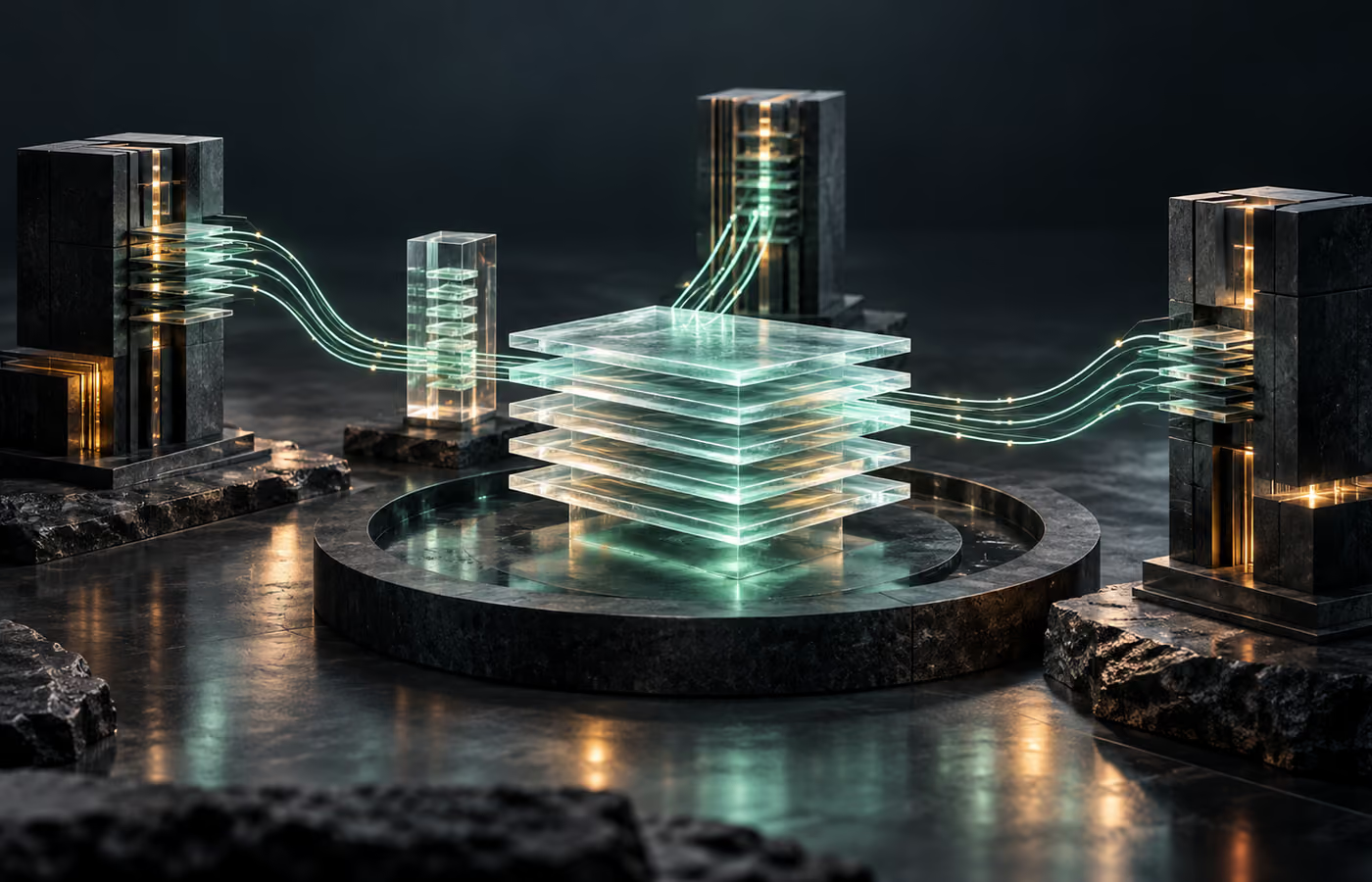
That distinction becomes useful when comparing alternatives. Suppose a presentation places both systems in one diagram, with identical colors and no status labels. A reader could reasonably miss that one is an agreed configuration and the other is a candidate under assessment. Adding the status beside each component would explain the drawing without requiring a separate conversation.
Keep the alternatives visible
In that hypothetical review, we would also retain a version showing what the project looks like if the proposed modification is not selected. Which equipment would still be built, and which assumptions would need revisiting? Answering those questions could make a meeting about alternatives more productive than a meeting centered on one preferred diagram.
The review package could show the selected design, the candidate change and the next decision needed for each. A concise explanation of what remains undecided gives readers a useful way to examine a large engineering proposal without supplying conclusions the project has not reached.