What you need to know
- Everbloom positions Braid as a way to predict fiber properties before production.
- A useful production record connects the input, recipe and observed output.
- Repeated manufacturing provides a different test from a promising sample.
A recipe before production
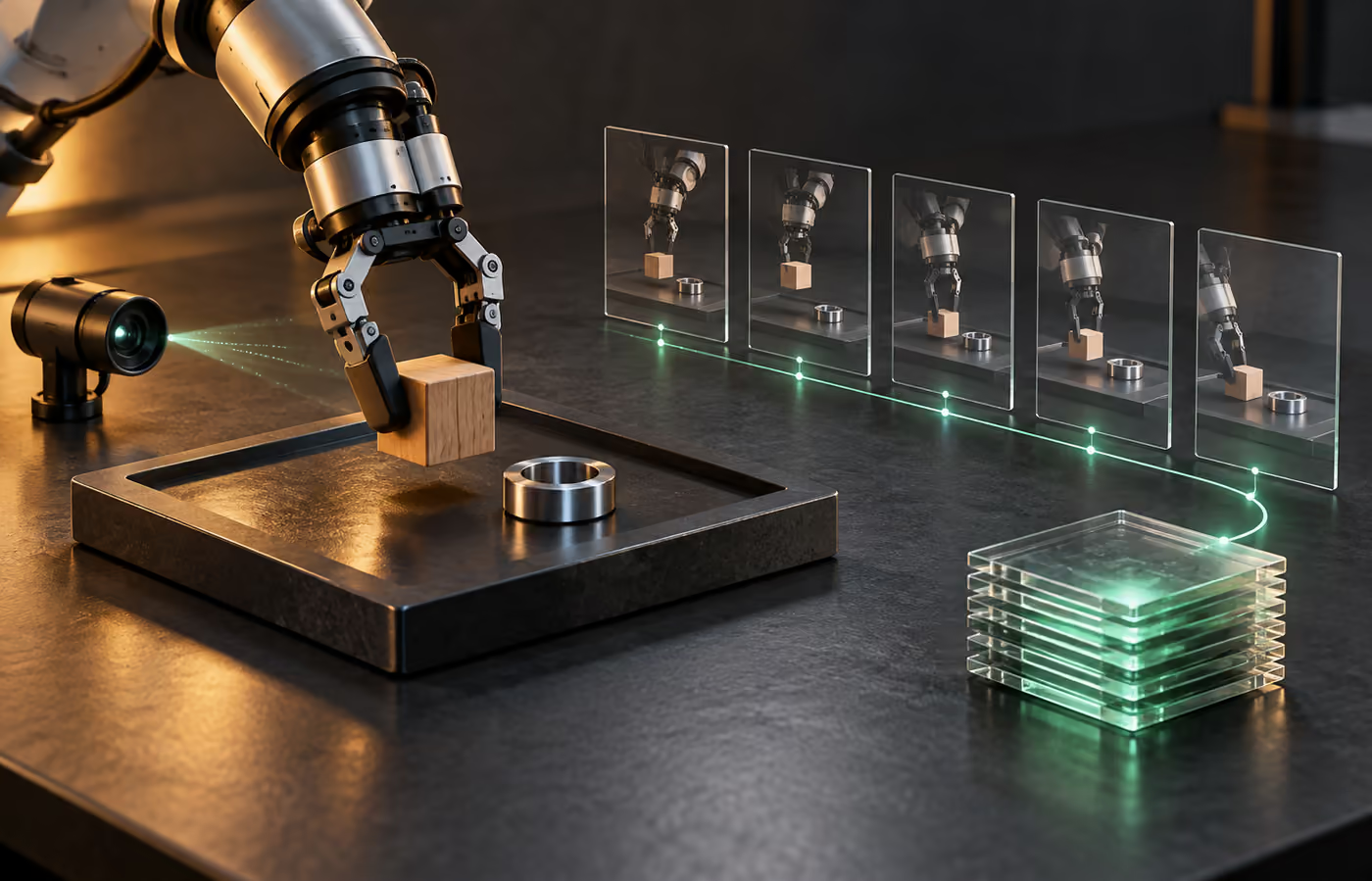
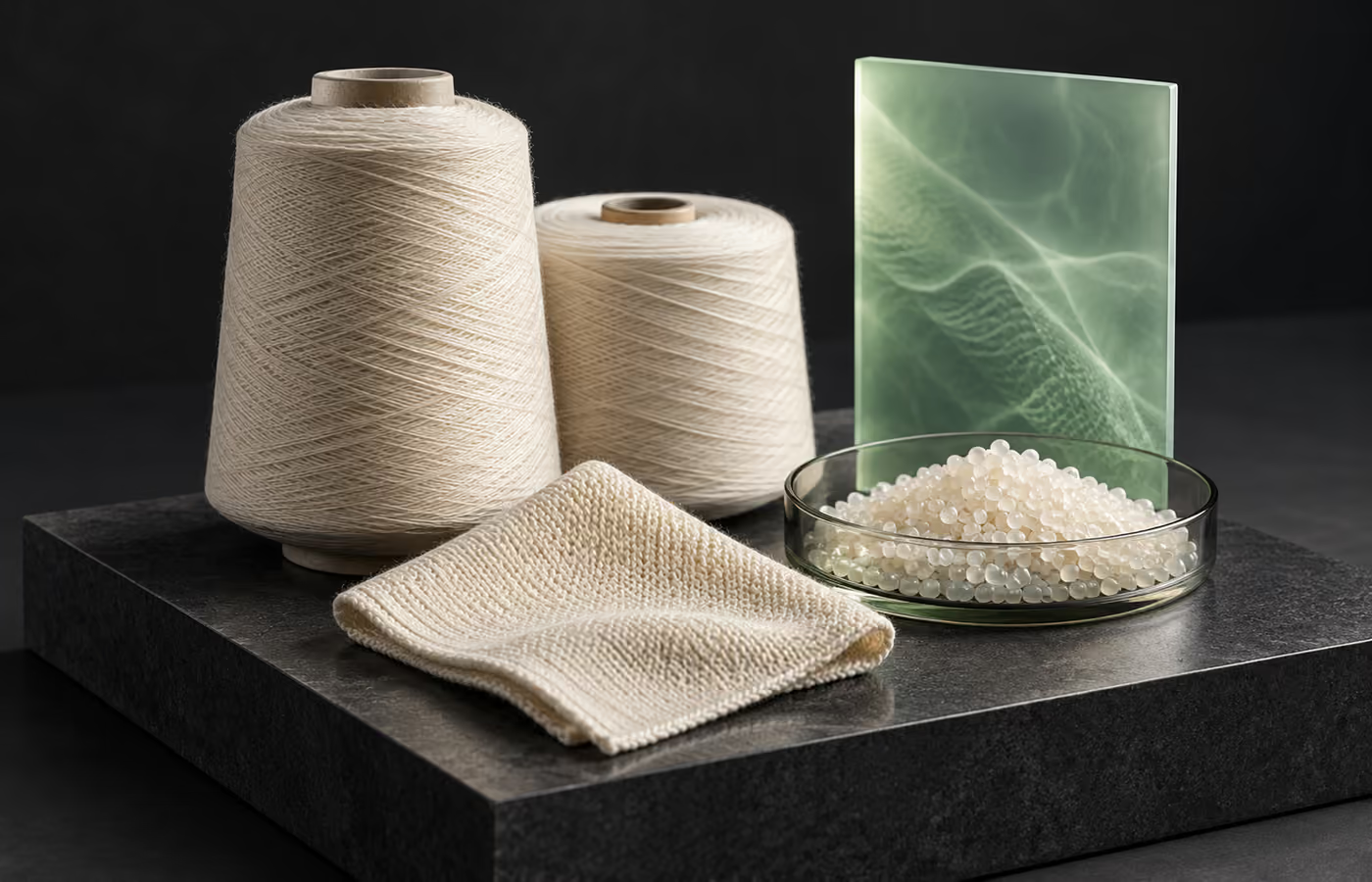
Everbloom describes Renoa as a regenerated protein fiber made from domestic waste in the United States. The company says its proprietary Braid AI model predicts softness, strength, texture and dyeability before production parameters are set.
Our analysis is that the proposal places a computational decision earlier in a physical process. A model can suggest a promising route, but a manufacturer ultimately needs material that behaves as expected when it is produced. The useful connection is between the prediction, the recipe selected and the output that follows.
Changing inputs make the prediction consequential
The company identifies variation in keratin-rich waste as a materials challenge. Its use of Braid links predictions about protein behavior to decisions about production.
Consider a hypothetical textile producer working with two incoming batches intended for the same yarn. If the feedstock behaves differently, using an unchanged process could produce different results. A useful planning system would make the relevant differences visible before the run and help the operator decide what needs adjustment.
That example illustrates a manufacturing question; it is not an account of an Everbloom batch or a finding about its model. The important record would connect what was known about the input with what the system expected and what the finished material actually did.
The next factory still has to use the material
Everbloom says its fibers are compatible with existing yarn-spinning infrastructure and textile supply chains. That is a company product claim, rather than the result of our own manufacturing trial.
For a buyer, our view is that compatibility becomes concrete through a particular product. A fabric maker might ask how the fiber behaves in its chosen blend, how it takes color and which settings produce the required finish. An attractive sample answers only part of that production question.
A hypothetical knitwear brand could therefore compare several trial runs for the same intended garment. The comparison would be more useful if the recipe, processing conditions and checks were recorded together. That would make it possible to investigate a difference instead of relying on a recollection that an earlier sample felt better.
Follow the repeated run
Our proposed way to assess this kind of materials platform is to follow repeated production. Can a supplier explain why a recipe was selected, compare its expected properties with physical checks and carry that information into the next run?
That is a practical evaluation framework, not a claim that Everbloom has met a particular consistency, cost or performance threshold. The broader opportunity for AI in materials is a tighter connection between development decisions and usable supply. Its operating value becomes clearer when a predicted material can be made repeatedly for a defined purpose.